

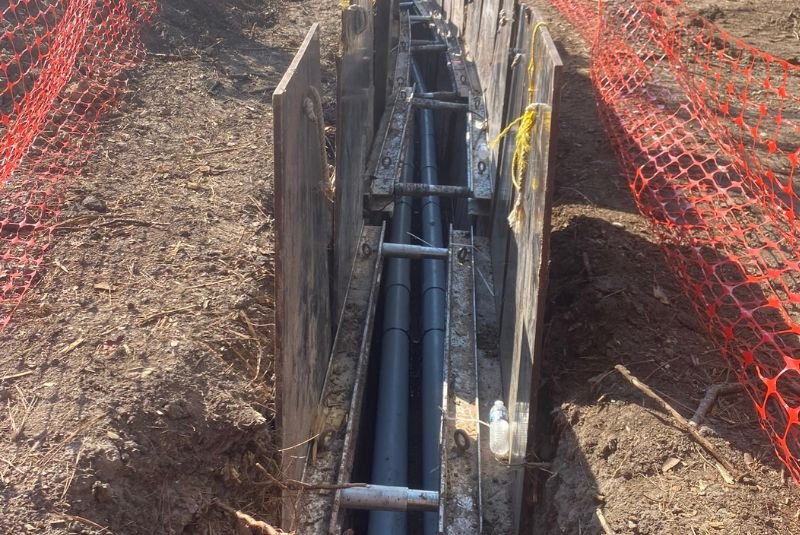
The Importance of Reliability in Underground Utility Services
Reliability in underground utility services is crucial for the smooth operation of modern infrastructure and the well-being of communities. These services, which often include water, electricity, gas, and telecommunications, are fundamental to daily life and economic activities. When these essential utilities function dependably, they support not only basic living conditions but also the broader framework of commerce and public service.
Service interruptions, whether caused by aging infrastructure or inadequate maintenance, can lead to significant disruptions. Such interruptions often result in more than just inconvenience; they can incur substantial economic losses for businesses that rely on continuous utility access. For example, an unexpected water main break can halt production in industrial settings or create costly repairs in municipal systems. Thus, the reliability of utility services can directly affect the stability and predictability of local economies.
Moreover, the importance of choosing providers that prioritize reliability cannot be overstated. Responsible utility management practices ensure that systems are maintained and upgraded proactively, minimizing the risk of failures and service interruptions. Strategic planning and investment in reliable technologies not only enhance service dependability but also foster trust between utility providers and the communities they serve. Communities with reliable utility services are better positioned for growth and development since infrastructure projects, both residential and commercial, hinge on the availability and stability of these services.
In light of the profound implications of reliable underground utility services, it is evident that stakeholders must place a premium on quality and safety in service delivery. The assessment of utility providers must factor in their dedication to maintaining reliable systems, as this commitment is key to enhancing the overall quality of life within the community.
Commitment to Rigorous Safety Standards
In the realm of underground utility services, the commitment to rigorous safety standards plays a pivotal role in ensuring both the safety of personnel and the reliability of executed projects. Utility companies are mandated to adhere to a set of safety protocols that align with local and national regulations. These regulations serve as benchmarks that guide organizations in mitigating risks associated with underground utility work.
Central to this commitment is comprehensive safety training for all employees, which encompasses everything from hazard recognition to emergency response procedures. By equipping workers with the necessary knowledge and skills, utility companies can cultivate a safety-conscious culture. This proactive approach to training significantly reduces the likelihood of accidents and ensures that personnel are prepared to address any unforeseen challenges that may arise during utility services.
Moreover, compliance with established safety regulations is not merely a legal obligation; it is a fundamental aspect of maintaining public safety and preserving the integrity of utility projects. Organizations conduct regular audits and assessments to evaluate their safety practices, ensuring they remain aligned with evolving safety standards. In addition, the integration of innovative safety technologies, such as geographical information systems (GIS) and advanced monitoring systems, enhances both the accuracy and efficacy of safety measures. These tools allow for real-time assessments of potential hazards, facilitating timely interventions that can prevent accidents and improve project reliability.
Ultimately, the commitment to rigorous safety standards is intrinsic to the quality outcomes of utility projects. By prioritizing safety, utility companies not only safeguard their workforce and the public but also contribute positively to the reliability and efficiency of underground utility services. The adoption of proactive safety measures is, therefore, an integral component of achieving long-term success in the industry.
Quality Installation and Maintenance: Ensuring Long-Term Efficiency
In the realm of underground utility services, the quality of installation and maintenance is paramount in ensuring long-term efficiency and reliability. Comprehensive installation processes involve several critical steps, starting with thorough planning and assessment of site conditions. Utilizing high-quality materials is essential, as these materials not only enhance the durability of the utilities but also reduce the risk of future failures. This commitment to material quality is complemented by the expertise of skilled labor, who apply advanced techniques for installation that adhere to industry standards.
Once installation is complete, ongoing maintenance becomes a vital component of ensuring optimal utility performance. Regular maintenance checks are necessary to identify any potential issues before they escalate into costly repairs or service interruptions. These checks typically include inspecting for signs of wear and tear, testing for leaks, and ensuring that all components function correctly. The implementation of maintenance schedules can significantly enhance the longevity of utility systems by addressing minor concerns early, thus preventing more significant problems and conserving resources.
The relationship between quality installation and effective maintenance cannot be overstated. Quality workmanship during installation sets the foundation for reliable utility services, while diligent maintenance ensures that utilities continue to operate efficiently over time. Advanced monitoring technologies can also aid in this effort by providing real-time data on the condition of underground utilities, allowing for proactive interventions when necessary.
Ultimately, a dedication to high-quality installation and systematic maintenance practices fosters an environment where underground utilities can thrive. By investing in quality materials, employing skilled labor, and adhering to advanced maintenance techniques, service providers can ensure that they deliver reliable and efficient underground utility services that meet the needs of the community responsibly and sustainably.
Maximizing Return on Investment Through Effective Repairs
In the realm of underground utility services, effective repairs play a crucial role in maximizing return on investment (ROI). The timely execution of repairs not only addresses immediate issues but also mitigates the risk of more significant problems arising in the future. Failing to conduct necessary repairs promptly can lead to escalating damage that requires more extensive and costly interventions, thereby eroding overall financial returns.
One key strategy for ensuring efficient repairs involves monitoring infrastructure performance through predictive maintenance. By utilizing advanced technologies, such as sensors and data analytics, utility service providers can identify potential weaknesses and intervene before significant failures occur. This proactive approach substantially reduces the likelihood of unplanned outages that disrupt services and incur additional costs. Furthermore, by staying ahead of potential issues, companies can optimize their operational schedules and allocate resources effectively, leading to improved productivity.
Additionally, adopting standardized repair procedures is another integral aspect of maximizing ROI. Well-defined protocols ensure that repairs are conducted swiftly and consistently, minimizing downtime. Implementing best practices also enhances the quality of repairs, as technicians follow established guidelines that promote safety and reliability. Providing regular training for staff plays a vital role in reinforcing these standards, ensuring that the workforce is equipped with the necessary skills and knowledge to perform repairs effectively and efficiently.
Moreover, investing in quality materials and technologies during the repair process can lead to long-term savings. While the initial expenditure may be higher, the durability and longevity of quality materials ultimately reduce the frequency and cost of future repairs. This investment strategy reinforces the commitment to safety and reliability in underground utility services, ultimately bolstering ROI. By prioritizing efficiency in repairs, utility companies can safeguard their assets and enhance their economic performance.